
July 14, 2013
McGurk Meadow, Yosemite National Park
Total distance walked: 4 miles
It was a cool Sunday morning in Yosemite National Park. The sun shone brightly as I followed the dirt path downhill away from the noisy road.

The forest was alive with sound: dead trees creaked as the warm breeze passed through; birds, busy with morning chores, chirped loudly; squirrels chattered, and bothersome mosquitoes buzzed about. The distant roar of airplanes overhead was an unwelcome interruption to nature’s symphony.
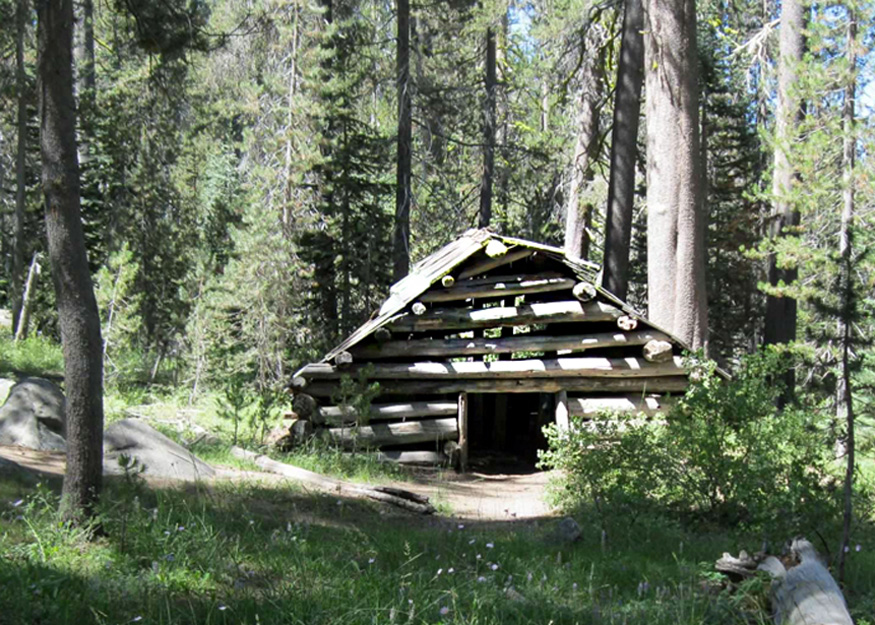
I came upon a cabin tucked between the trees near a tributary of Bridalveil Creek. Back in 1895, Jack McGurk—for whom the meadow was named—owned the area for a couple of years. His one room log cabin still sits as a relic from the past.
The trail leveled off and led through the meadow filled with colorful wildflowers—my reason for being there. Timing is everything and I hit it just right. There were wildflowers galore. Like a butterfly, I flitted from bloom to bloom, admiring the distinct beauty of each.
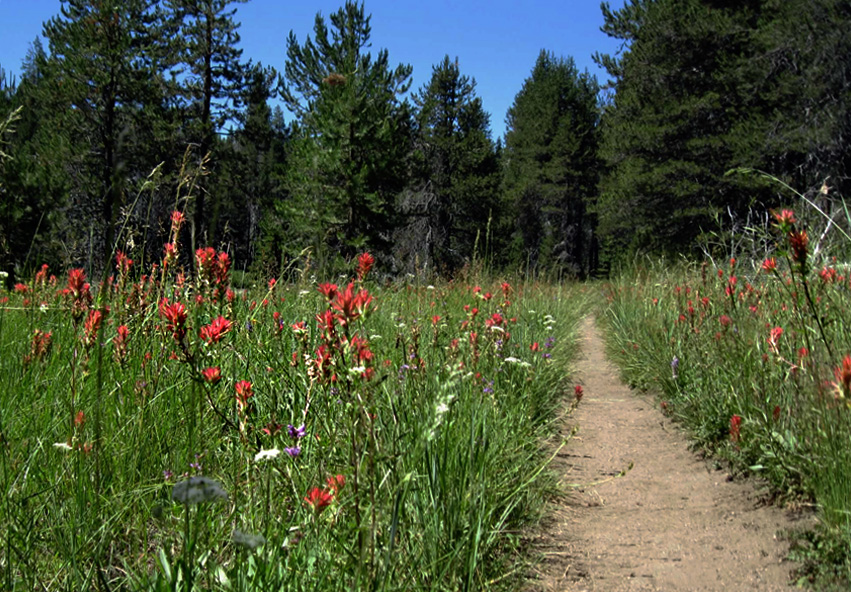
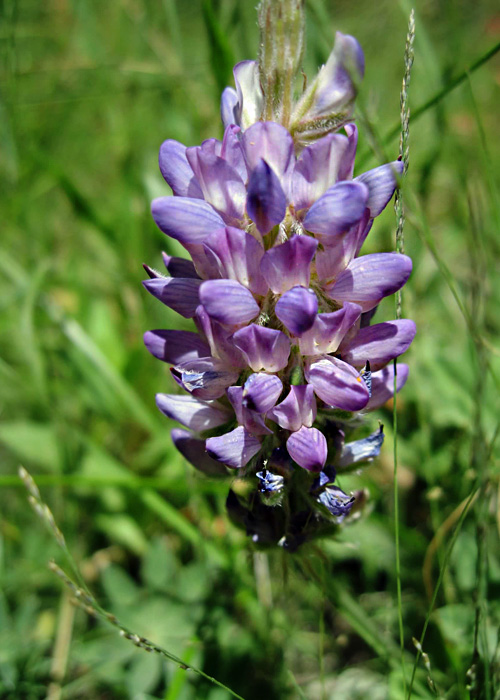
Many of the common Yosemite flowers grew prolifically throughout the meadow: daisies, lupine—California is home to more than 80 lupine species; and yarrow. In addition to their distinctive beauty, each wildflower serves an additional purpose. For example, yarrow is known to alleviate toothaches, headaches, and stomach pains.


Also brightening the trail from the daisy family were goldenrod and arrowleaf groundsel.


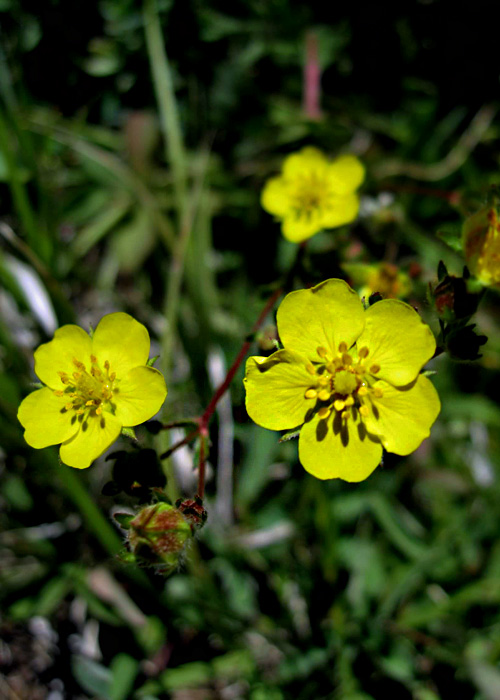
The cinquefoil, known for its medicinal anti-inflammatory properties, contributed to the meadow’s allure with its vivid hues and distinctive leaf patterns.
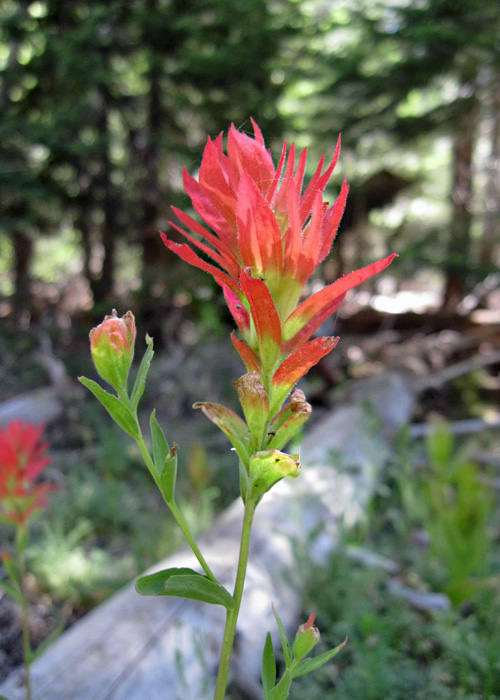
I saw two species of paintbrush: Indian paintbrush which hummingbirds love, and Thompson’s Indian paintbrush.

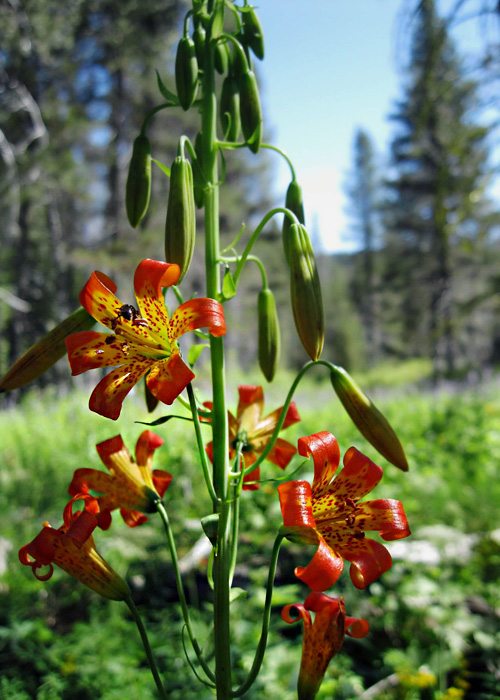
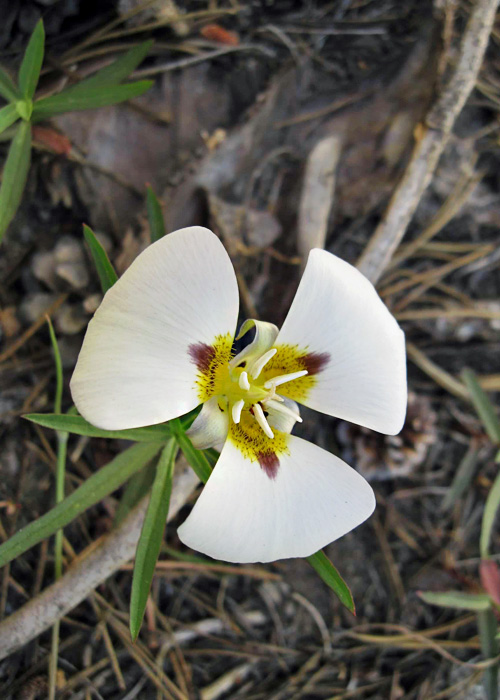
The lily family includes several flowers. I saw the leopard lily, a relative of the tiger lily; the Mariposa lily—Mariposa translates to butterfly in Spanish; and the corn lily, which is highly poisonous.

In addition to the poisonous corn lily, another highly toxic plant in the meadow was the aging monkshood, whose flowers were beginning to wither. Monkshood is part of the buttercup family.

I saw two types of larkspur. From what I’ve read about the larkspur, they are toxic if ingested. However, Native Americas called it “sleep root” since they used its juice to dull the senses of an opponent during games.


From the mint family was mountain pennyroyal which attracts hummingbirds.

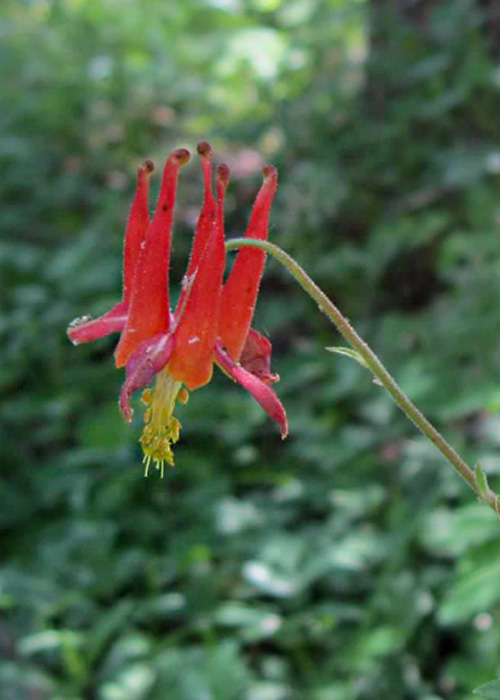
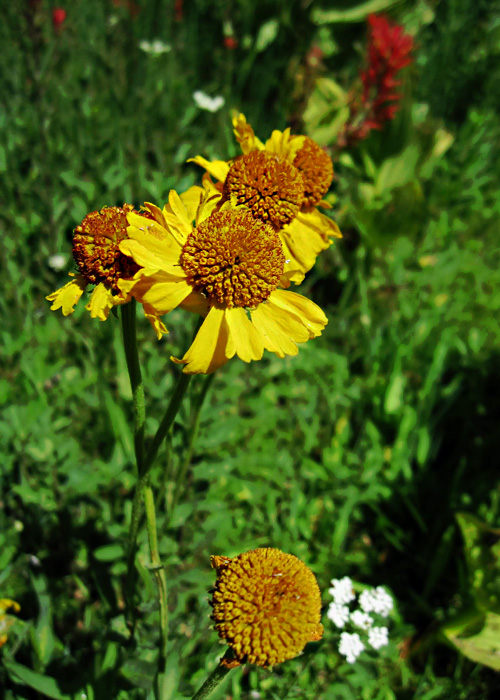
Brightening the trail were wild geraniums, kin to the familiar garden variety; columbines, known for their medicinal properties; and sneezeweed, which can induce sneezing when crushed and sniffed.

Cow parsnip, with its tall stature and large leaves was used by Native Americans, who ate it as food by peeling the stalks and cooking the tender centers.


There were numerous other plants that filled my heart with joy upon seeing them. This visit to the park was truly enchanting. It was a day well spent among the wildflowers in the colorful McGurk Meadow.
 Hiking Yosemite and Beyond
Janet – Nice to see you back on the trail again. LOVED all the wildflowers!
Dad
LikeLike
Thanks, Dad.
LikeLike
Such fine photos and I wish we were there on the trail too.
LikeLike
Thank you, Robin. I was happy the flowers were there this year, last year I came at the wrong time and was disappointed.
LikeLike
Nice photos, such brilliant color! July is a great time for blooms in the Sierras.
LikeLike
Thank you. 🙂 The first time I hiked through that meadow I was pleasantly surprised. There were even more flowers that year.
LikeLike
What a beautiful meadow! I could almost smell the flowers.
LikeLike
It’s a favorite hike of mine, Kathy, because of the flowers.
LikeLike
Beautiful Pictures!
LikeLike
🙂 Thank you.
LikeLike
What a remarkable array of wildflowers! It made me almost feel like I was there. Your notes were fun and informative.
LikeLike
Thank you, Carol.
LikeLike
Beautiful–It’s amazing how many different types of flowers were blooming in the meadow. It also struck me that many of the flowers that are wildflowers in California, are flowers that I plant and carefully cultivate in my garden–lupine, columbine, leopard lily, larkspur, “wild” geranium, daisy.
LikeLike
That’s funny how things are different in other parts of the country. I sometimes think the things we call weeds, were actually what people thought of as flowers hundreds of years ago.
LikeLike
Nice to see flowers still in bloom somewhere nearby, thanks for sharing
LikeLike
Love the photography and new blog Theme!
LikeLike
🙂 Thank you. Just needed a change with the new blog theme.
LikeLike
I don’t know if it’s just me or if everybody else experiencing
issues with your blog. It looks like some of the written text on your posts are running off the screen. Can someone else please provide feedback
and let me know if this is happening to them as well? This might be a problem with my internet browser because I’ve
had this happen before. Thanks
LikeLike
Thank you commenting about this. I will check it and see and will comment here to let you know what I find out.
LikeLike
I just looked at the blog after reading about the problem with text running off the screen. I’m not having any problem. Everything looks normal to me.
Dad
LikeLike
Lavonne, I’ve checked from other computers, and it seems like the problem might be your browser.
LikeLike